What happens to donations at Goodwill?
That simple act of dropping off a bag of clothes or box of household items becomes the beginning of something truly special. It’s a moment of kindness that ripples outward, touching lives in ways that may be difficult to imagine. What many consider old clothes or extra belongings can be the first step toward new beginnings and fresh opportunities. Every item donated embarks on an incredible journey, transforming clutter into opportunity and generosity into real, lasting change. Donations go on a journey, from your closet to changing lives!
Many people wonder what happens after driving away from the donation center. Contributions don’t vanish into a back room—they become part of a powerful cycle of hope. From closets to sorting tables to the hands of those in need, each donation fuels a mission to empower people, strengthen families, and build supportive communities. Here’s a closer look at how that journey unfolds.
The First Step: Generous Donations
It all begins in a moment of generosity. When someone decides to clean out a closet, garage, or attic, pre-loved items are given a second chance. At each donation center, attendants greet donors and help unload their vehicles, creating a welcoming environment built on trust and shared purpose. The care taken in gathering and delivering these items is matched by the dedication with which they are received and handled.
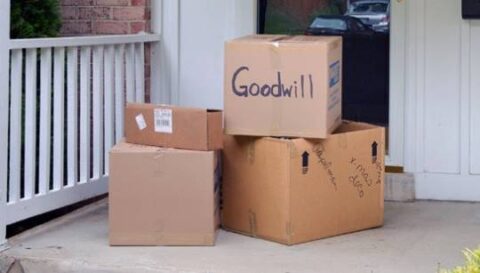
For many team members, this work is more than a job—it is a mission. Each donation is seen as a resource, filled with potential to help others find stability and purpose. Every item represents a vote of confidence in the mission and the individuals served.
Behind the Scenes: Sorting and Processing
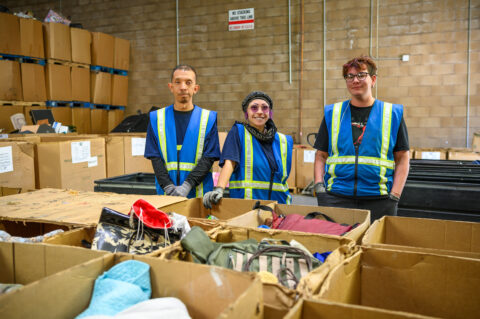
Once donations are safely inside, their journey continues behind the scenes. A dedicated team sorts through each item by hand, giving careful attention to detail. Clothing is separated by type, size, and quality. Housewares, electronics, books, and furniture are inspected and organized.
This sorting process is essential. Team members select items ready for the retail stores—the treasures awaiting a new home. Quality, cleanliness, and completeness are thoroughly checked. This process is designed to maximize the value of every donation. For many staff, this is often an introduction to steady employment, where they learn valuable skills in logistics, quality control, and teamwork.
On the Sales Floor: A New Life in the Stores
After sorting, cleaning, and pricing, donated items are placed on the sales floor. The stores are bright, organized, and welcoming spaces—places where shoppers from all walks of life discover unique treasures at affordable prices. A vintage jacket finds a new owner who cherishes it. A family secures the perfect dining table for shared meals. A student decorates a first apartment without breaking the bank.
Revenue from these sales drives community missions. Every purchase directly supports job training programs, employment placement services, and other local support initiatives. Donating doesn’t just offer someone a great deal—it helps people develop job skills, write resumes, prepare for interviews, and regain confidence to re-enter the workforce. Countless success stories begin with a single donated item, as individuals use the opportunities created to rebuild their lives.
The Next Chance: Outlet Stores
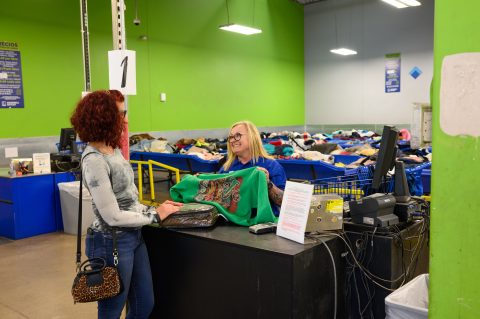
Not every item finds a new home in retail stores, but the journey doesn’t end there. Unsold items are sent to outlet locations, often known as the “bins,” where goods are sold by the pound. These outlets offer incredible bargains and a final opportunity for items to serve a new purpose.
Outlet stores are vibrant centers of activity. Treasure hunters, resellers, and budget-conscious families alike find immense value. This model ensures every donation achieves its fullest potential. Even items that don’t sell at first still contribute to the programs that change lives.
The Final Step: Commitment to Recycling
After all these steps, some items are simply not fit for reuse. Items that are torn, broken, or otherwise unsellable still have value in responsible hands. Environmental stewardship remains a central commitment. Rather than sending these materials to landfill, a robust recycling program takes over, constantly expanding to meet new challenges.
Glass items, for example, are processed on-site using a specialized pulverizer, by Andela. This equipment transforms unwanted glass into safe, sand-like material that can be repurposed for construction, landscaping, and community projects—turning what might have been waste into a building block for renewal.
Plastic recycling takes a creative and impactful route through a partnership with Trex. Donated plastics are carefully separated and shipped to be transformed into eco-friendly composite decking and outdoor products. Through this initiative, each bottle or package helps keep communities cleaner and contributes to greener spaces that everyone can enjoy.
Textile recycling is also an ever-growing effort, reflecting the volume and diversity of donations received. Worn or damaged clothing is bundled and sold to partners who give these materials a new life—sometimes as insulation, industrial rags, or even new fabrics. By continually investing in and growing textile recycling initiatives, the program diverts an increasing amount from landfills, reinforcing a promise to the environment and to future generations.
Damaged electronics are delivered to certified recyclers for safe and responsible handling. Metals, plastics, and cardboard are sorted and recycled with care. These efforts ensure that nearly every donation finds a new purpose, maximizing impact and reducing the environmental footprint at every turn. With a focus on transparency and responsibility, every phase of the process is handled with care.
From Heartfelt Generosity to Community Transformation
From the moment a donation is made to the final stage of recycling, each item fuels a cycle of opportunity that touches countless lives. The revenue supports community members seeking job skills, independence, and stability. Training opportunities, employment assistance, and housing support are just a few of the life-changing resources funded by these donations.
Clearing space at home by giving to others creates more than a tidy closet. It creates jobs, funds education, and offers second chances to neighbors in need. Each person who chooses to donate is part of a journey that turns everyday goods into extraordinary good. This chain of generosity uplifts entire communities and shows the power of kindness and belief in the potential of every individual.